
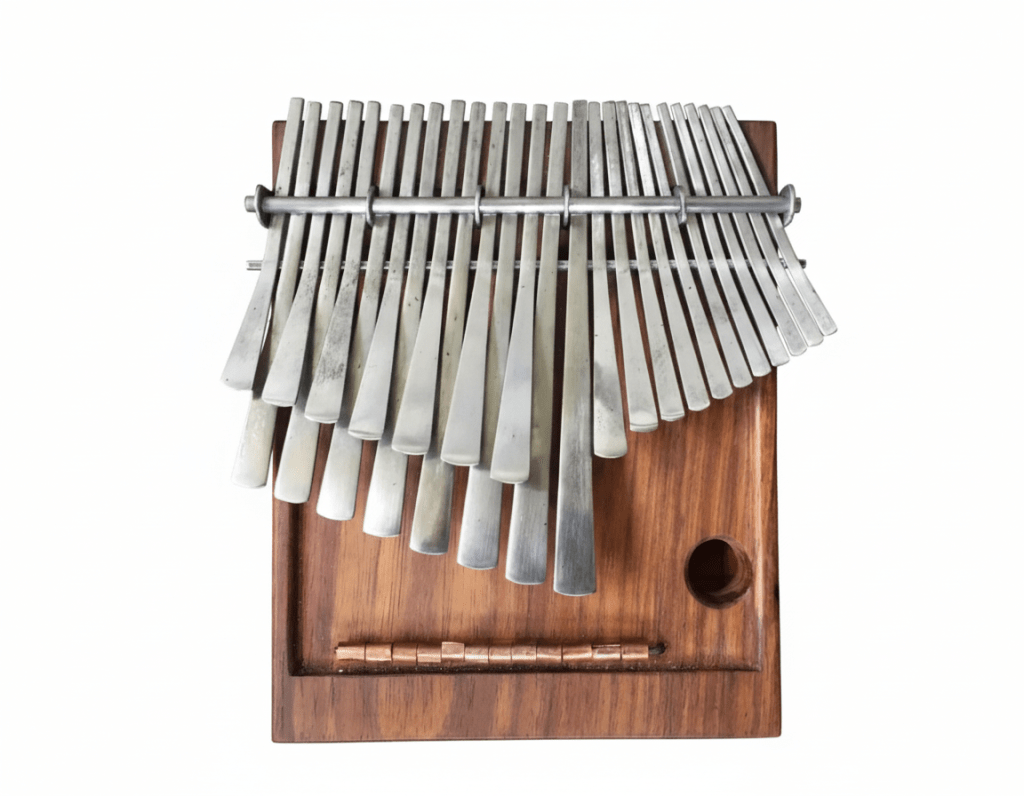
Long before the colonialism visited present-day Zimbabwe the people of that land had fashioned a unique musical instrument which has continued to dazzle music lovers across the world.
The mbira instrument is a lamellophone whose unique sound is produced by plucking the metal keys. For the grouping of people known loosely as the Shona people, mbira has always had a significant spiritual purpose.
In Shona spirituality known as Chivanhu, the people communicate with God whom they call Mwari though sanctified ancestral spirits called Midzimu. Each family has it’s own midzimu. There is hierarchical stratification and level to this, with clan and national spirits serving different purposes.
The national midzimu are known as mhondoro and are commonly believed to dwell among lions. The Shona (Karanga, Zezuru, Manyika et al) people, the Kalanga people, the Venda people and other related groups all share a common ancestor – Tovera(Thobela) who is believed to have lived somewhere in present day Tanzania.
Tovera had a son Mambiri who had a son Murenga who had 3 children – Chaminuka, Nehanda and Mushavatu. These people became the mhondoro spirits for kingdoms & states that derived from them including the Mapungubwe, Mutapa and Rozvi states.
To summon these spirits usually there are large ceremonies called biras or mukwereras (when asking for rain). Mbira, ngoma and hosho music is usually what is played during those ceremonies.
The mbira was also played at other ceremonies for entertainment. There are variations of mbira depending on origin. Generally, the most popular and ubiquitous type is known as Mbira dzevadzimu.
Mbira dzevadzimu whose full name is Mbira huru dzavadzimu usually have between 22-25 keys affixed to a Mubvamaropa wood soundboard also called a gwariva. The board also has buzzers that are usually made from shells or bottle caps. For enhanced sound quality, the mbira can be played while encased in large calabash resonator called a deze.
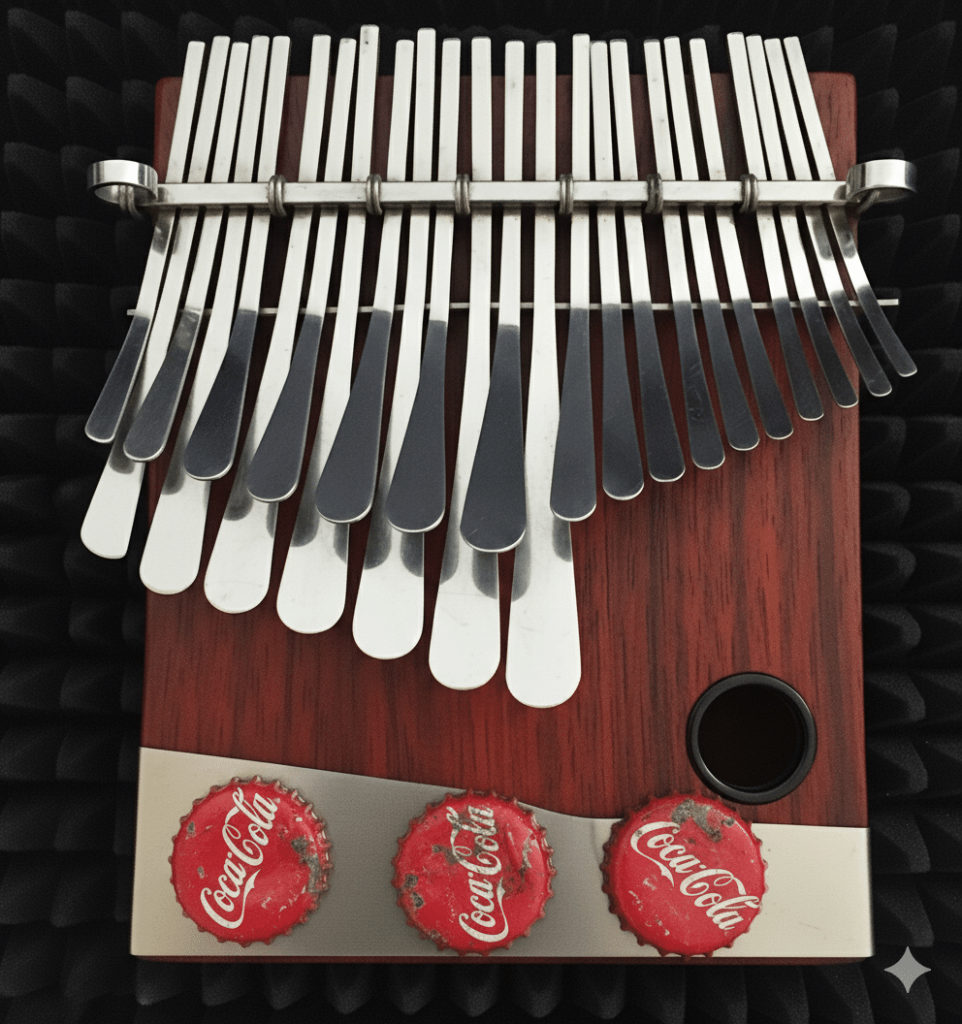
Other types of Mbiras found in Zimbabwe include the Nyunga nyunga (also known as Kwanongoma) – a 15 key instrument. This type of mbira is believed to have originated in present day Mozambique but was introduced to Kwanongoma College of African music in Bulawayo in the 1960s by a mbira player, Jeke Tapera. It is believed that master player Dumi Maraire learnt to play this instrument at Kwanongoma and then toured USA playing it. The Nyunga nyunga was promoted as an alternative to the Mbira dzavadzimu by the white settlers and missionaries because of the need to keep the Africans from following their religion. For a long time, mbira were stereotyped as evil instruments. In the USA, Hugh Tracey began to sell a modernized and shiny version of the Nyunga nyunga that he called Kalimba.
Njari is another type of mbira which is not as prominent as the Mbirahuru. It is found mainly in the Buhera and Njanja area of Zimbabwe. It is believed to have originated in Mozambique and its story is intertwined with the history of the Sinyoro people of Njanja. According to Hugh Tracey (African Music Society Journal 1932), a Portuguese trader by the name Kuveya/Guvheya ( a bastardization of Gouveia) also nicknamed Muroro fell sick in the area under chief Chirwa. The chief then instructed his daughter Mushawashe to care for him. Kuveya impregnated Mushawashe and she gave birth to two sons – Gotovi and Masamha. These sons grew up in Sena in Mozambique with the relatives of Kuveya where they learnt to play Njari. When they came back to Njanja they also brought back this mbira which also became known as Mbira dzeManjanja.
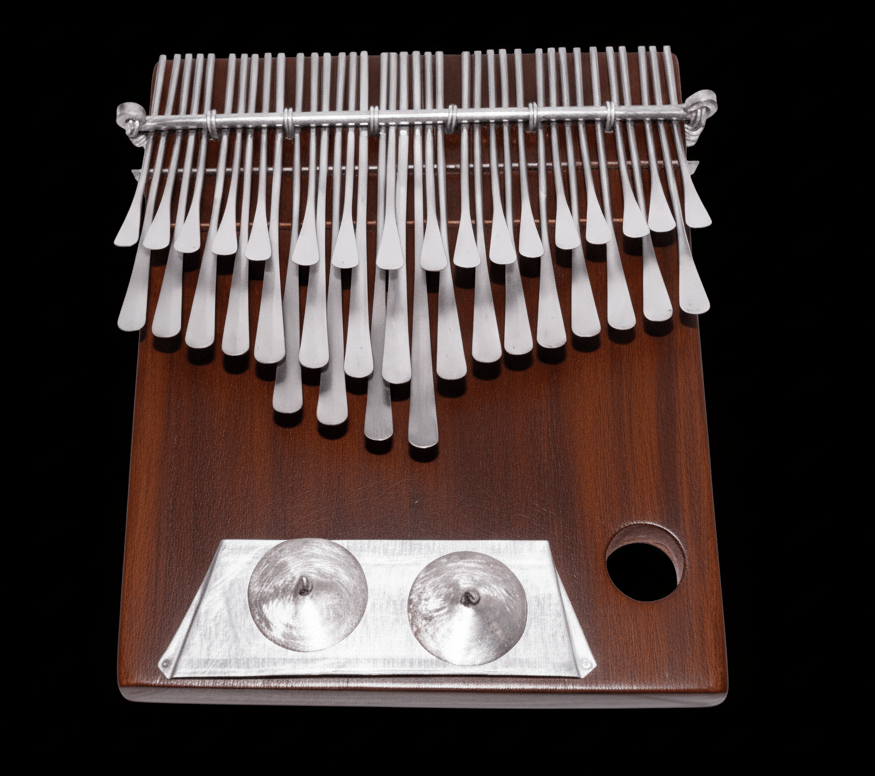
Matepe is another type of mbira generally found in Northen Zimbabwe played by the Korekore and Tonga people. It is closely related to the Hera and Madhebhe mbiras. Typically, Matepe has 26 keys, Madhebhe 24, and Hera has 29.
This is the story of the Mbira which colonialist tried hard to bury, but like a Phoenix has risen and is reclaiming its place in the world of music. Today we enjoy music from different Gwenyambiras and the narrative has changed.
Tarooka.com has engaged a number of mbira makers in Zimbabwe and will soon be carrying some of these Mbiras. We will also have a facility for custom orders from these makers.


You must be logged in to post a comment.